Why I Use Medicinal Mushrooms for A Healthy Menopause Experience
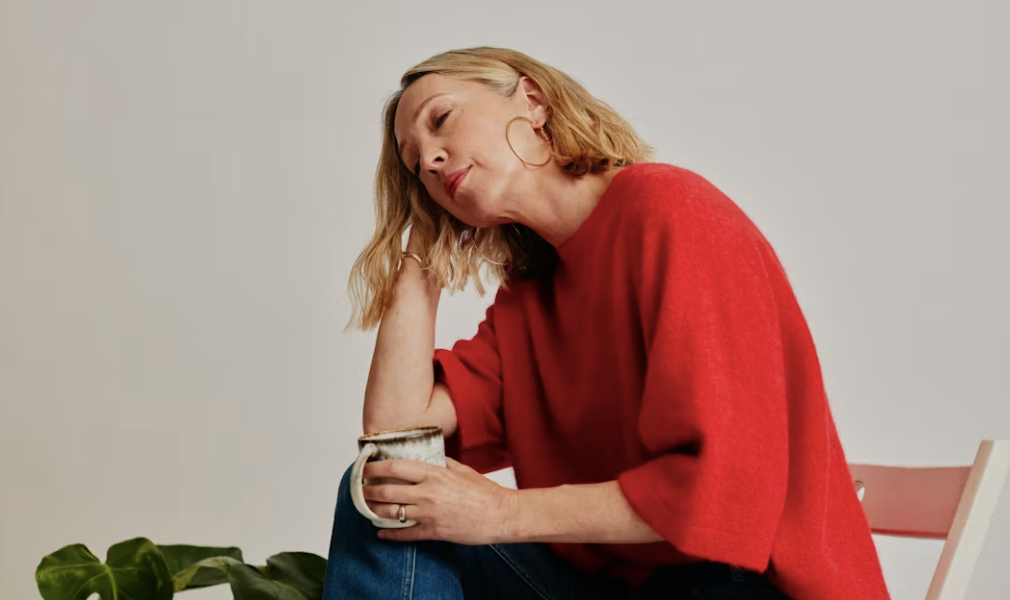
When I entered menopause about three years ago, I didn’t know where to turn.
I was feeling drained, even though I exercised daily, ate well and all my vitals screened fine.
I had almost no sexual desire, plagued by hot flashes, brain fog and anxiety.
This wasn’t what I had planned for these years! Before falling off this cliff, I felt in my prime.
I was so much wiser, sure footed and happier than any other decade in my life.
So what the hell?
Apparently I was not alone.
 A State of Menopause Study, conducted with 1,039 women ages 40 to 65 across the United States, showed that nearly one-third (29%) of women never sought information about menopause before they experienced it.
Nearly half (45%) the women surveyed didn’t know the difference between perimenopause—the transitional period leading up to menopause—and menopause itself, the biological process that marks the end of a woman’s menstrual cycles.
One-fifth (20%) of women surveyed had experienced symptoms for a year or more before being assessed by a healthcare provider and 34% had never been formally assessed or diagnosed as menopausal.
Most (73%) women reported that they were not currently treating their menopause, which included hot flashes (16%), weight gain (15%), difficulties with sleep (14%), and night sweats (14%), among others.
And when I went to my doctor I wasn’t shown any real alternatives. I was basically told to buckle in and get ready for a white knuckle ride.
Again, I wasn’t alone.
A Yale University research study shows that few menopausal women are receiving the medical care they deserve. The Yale study reviewed insurance claims from over 500,000 women in various stages of menopause and found that 60 percent of women with significant menopausal symptoms seek medical attention, however almost 75% are left untreated.
Women my age were taught to fear hormone treatments as unsafe. We were ashamed to talk about what we are going through— its just not sexy to talk about your lack of sexuality—
In fact, we were told by our culture to just get though it— don’t complain.
“It’s not serious”
“It’s all in your head”
Oh and don’t let people know. It’s not sexy.
In fact most doctors know very little about menopause.
Most medical schools and residency programs fail to provide adequate education about menopause. According to an AARP article titled “What Doctors Don’t Know About Menopause”, a survey revealed that only 20% of ob-gyn residency programs offer any form of menopause training, typically as elective courses. Furthermore, nearly 80% of medical residents admit feeling “barely comfortable” discussing or treating menopause.
A survey conducted by the North American Menopause Society (NAMS) of over 1,000 healthcare professionals—including doctors, physician assistants, and nurse practitioners—found that only 57% felt up to date on Hormone Replacement Therapy (HRT) as a treatment for menopause.
Philip M. Sarrel, professor emeritus of obstetrics, gynecology, reproductive sciences, and psychiatry at Yale School of Medicine, underscored the issue, stating in the AARP article, “Doctors are not helpful. They haven’t had training, and they’re not up to date.” Similarly, Wen Shen, a gynecologist and assistant professor at Johns Hopkins School of Medicine, highlighted t
he impact, noting, “Nearly one-third of this country’s women are postmenopausal. Many of them are needlessly suffering.”
A State of Menopause Study, conducted with 1,039 women ages 40 to 65 across the United States, showed that nearly one-third (29%) of women never sought information about menopause before they experienced it.
Nearly half (45%) the women surveyed didn’t know the difference between perimenopause—the transitional period leading up to menopause—and menopause itself, the biological process that marks the end of a woman’s menstrual cycles.
One-fifth (20%) of women surveyed had experienced symptoms for a year or more before being assessed by a healthcare provider and 34% had never been formally assessed or diagnosed as menopausal.
Most (73%) women reported that they were not currently treating their menopause, which included hot flashes (16%), weight gain (15%), difficulties with sleep (14%), and night sweats (14%), among others.
And when I went to my doctor I wasn’t shown any real alternatives. I was basically told to buckle in and get ready for a white knuckle ride.
Again, I wasn’t alone.
A Yale University research study shows that few menopausal women are receiving the medical care they deserve. The Yale study reviewed insurance claims from over 500,000 women in various stages of menopause and found that 60 percent of women with significant menopausal symptoms seek medical attention, however almost 75% are left untreated.
Women my age were taught to fear hormone treatments as unsafe. We were ashamed to talk about what we are going through— its just not sexy to talk about your lack of sexuality—
In fact, we were told by our culture to just get though it— don’t complain.
“It’s not serious”
“It’s all in your head”
Oh and don’t let people know. It’s not sexy.
In fact most doctors know very little about menopause.
Most medical schools and residency programs fail to provide adequate education about menopause. According to an AARP article titled “What Doctors Don’t Know About Menopause”, a survey revealed that only 20% of ob-gyn residency programs offer any form of menopause training, typically as elective courses. Furthermore, nearly 80% of medical residents admit feeling “barely comfortable” discussing or treating menopause.
A survey conducted by the North American Menopause Society (NAMS) of over 1,000 healthcare professionals—including doctors, physician assistants, and nurse practitioners—found that only 57% felt up to date on Hormone Replacement Therapy (HRT) as a treatment for menopause.
Philip M. Sarrel, professor emeritus of obstetrics, gynecology, reproductive sciences, and psychiatry at Yale School of Medicine, underscored the issue, stating in the AARP article, “Doctors are not helpful. They haven’t had training, and they’re not up to date.” Similarly, Wen Shen, a gynecologist and assistant professor at Johns Hopkins School of Medicine, highlighted t
he impact, noting, “Nearly one-third of this country’s women are postmenopausal. Many of them are needlessly suffering.”
A State of Menopause Study, conducted with 1,039 women ages 40 to 65 across the United States, showed that nearly one-third (29%) of women never sought information about menopause before they experienced it.
Nearly half (45%) the women surveyed didn’t know the difference between perimenopause—the transitional period leading up to menopause—and menopause itself, the biological process that marks the end of a woman’s menstrual cycles.
One-fifth (20%) of women surveyed had experienced symptoms for a year or more before being assessed by a healthcare provider and 34% had never been formally assessed or diagnosed as menopausal.
Most (73%) women reported that they were not currently treating their menopause, which included hot flashes (16%), weight gain (15%), difficulties with sleep (14%), and night sweats (14%), among others.
And when I went to my doctor I wasn’t shown any real alternatives. I was basically told to buckle in and get ready for a white knuckle ride.
Again, I wasn’t alone.
A Yale University research study shows that few menopausal women are receiving the medical care they deserve. The Yale study reviewed insurance claims from over 500,000 women in various stages of menopause and found that 60 percent of women with significant menopausal symptoms seek medical attention, however almost 75% are left untreated.
Women my age were taught to fear hormone treatments as unsafe. We were ashamed to talk about what we are going through— its just not sexy to talk about your lack of sexuality—
In fact, we were told by our culture to just get though it— don’t complain.
“It’s not serious”
“It’s all in your head”
Oh and don’t let people know. It’s not sexy.
In fact most doctors know very little about menopause.
Most medical schools and residency programs fail to provide adequate education about menopause. According to an AARP article titled “What Doctors Don’t Know About Menopause”, a survey revealed that only 20% of ob-gyn residency programs offer any form of menopause training, typically as elective courses. Furthermore, nearly 80% of medical residents admit feeling “barely comfortable” discussing or treating menopause.
A survey conducted by the North American Menopause Society (NAMS) of over 1,000 healthcare professionals—including doctors, physician assistants, and nurse practitioners—found that only 57% felt up to date on Hormone Replacement Therapy (HRT) as a treatment for menopause.
Philip M. Sarrel, professor emeritus of obstetrics, gynecology, reproductive sciences, and psychiatry at Yale School of Medicine, underscored the issue, stating in the AARP article, “Doctors are not helpful. They haven’t had training, and they’re not up to date.” Similarly, Wen Shen, a gynecologist and assistant professor at Johns Hopkins School of Medicine, highlighted t
he impact, noting, “Nearly one-third of this country’s women are postmenopausal. Many of them are needlessly suffering.”
Taxes, Death, and Menopause
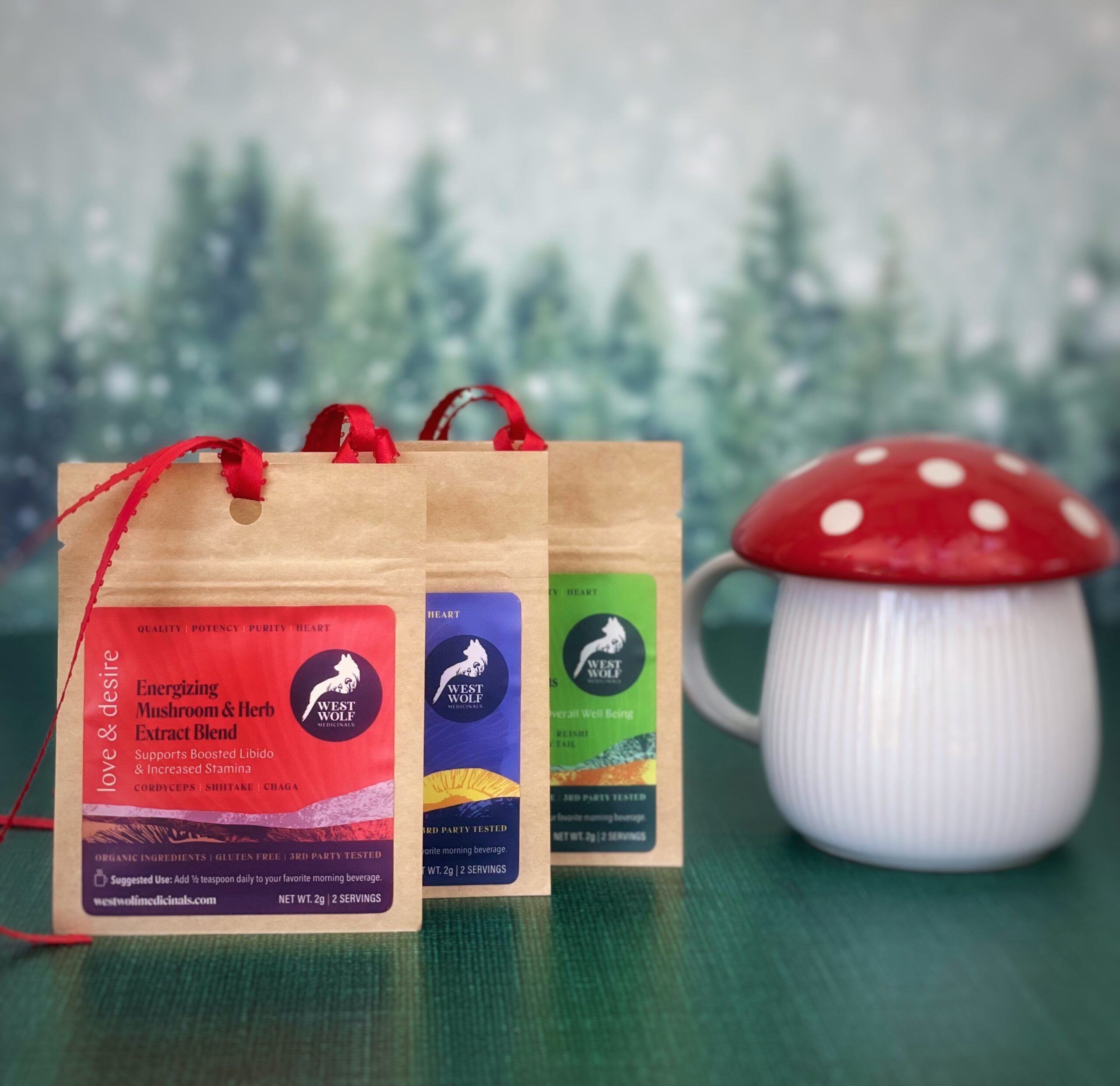
There are few things inevitable— but taxes, death — and for 50% of the population—menopause. Awareness of this inevitability is sl owly happening. Our culture is opening up to identifying the social stigmas of menopause and the disinformation that is prevalent. From articles in mainstream press such as this Atlantic article, to celebrities such as Oprah and Gwyneth sharing their experiences. For me, since mushroom extracts helped me calm my inflammation and clear the fog from my brain, I like to talk about medicinal mushrooms as a natural pathway for menopause.How Medicinal Mushroom ExtractsHelp Create A More Positive Menopause Experience
Functional mushrooms like Reishi, Lion’s Mane, Cordyceps, and Chaga offer specific benefits that can help manage menopause symptoms. They sure helped me regain myself after many months of suffering. Here’s how they can help with menopause symptoms:- Anti-inflammatory Properties: Many functional mushrooms have anti-inflammatory effects, which can help reduce the inflammation contributing to menopause symptoms like joint pain and hot flashes.
- Antioxidants: The high antioxidant content in these mushrooms helps combat oxidative stress, which is often elevated during menopause, potentially reducing the severity of symptoms.
- Hormonal Balance: Some functional mushrooms can support hormonal balance, helping to mitigate the fluctuations that cause symptoms like hot flashes and mood swings.
- Polysaccharides: These complex carbohydrates in mushrooms like Reishi and Chaga have immune-boosting and anti-inflammatory properties.
- Beta-Glucans: In mushrooms such as Maitake and Shiitake, beta-glucans enhance the immune system and help the body adapt to stressors.
- Triterpenoids: Reishi and chaga mushrooms contain triterpenoids, which have potent anti-inflammatory and antioxidant effects, supporting overall health and well-being.
Cordyceps Mushroom
- Energy-Boosting Properties and Their Relevance to Fatigue During Menopause
- Hormonal Balance Support